
Jonás and the Family’s Changing Household
Gente que viene y ¡Bah!Jonás’s retirement, his strained adjustment to domestic life, and Ángela’s death reveal how a family reorganizes itself around changing roles.
increasing Bearing strength in each event
 decreasing
Bearing strength in each eventdecreasingFour Months Together
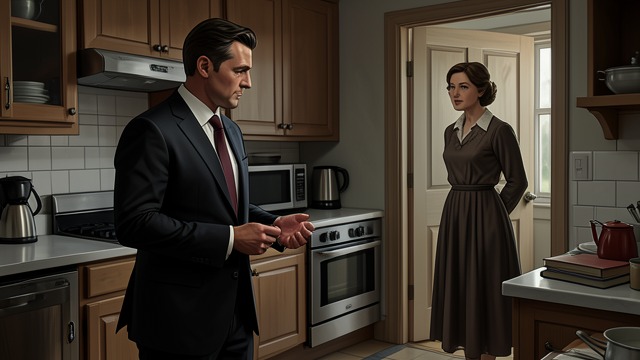
A marriage shaped by distance
A familiar rhythm ends
Jonás has spent most of each year at sea, returning for four months at a time. Ángela jokes that the long absences have helped their marriage by giving arguments time to fade.
A permanent change
Jonás retires early because of a worsening hand problem and will no longer return to the ship. Ángela is glad to have him home but worries about losing the routines that made their marriage work.
Their affection is real, but the household must adapt to a form of closeness it has not practiced continuously for decades.
Cooking as a Bid for Belonging
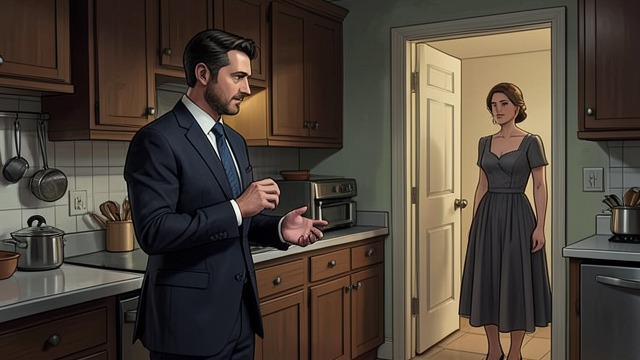
Domestic work as negotiation
A new project
Jonás tries to learn to cook and make changes around the house. His efforts are earnest, but his limited control of his injured hand and Ángela’s long-established habits produce uneven results.
Bea as mediator
Bea encourages her mother to give Jonás room while also teasing him about the meals. Their arguments reveal how easily a gesture of care can be received as a challenge to authority.
Cooking becomes a small-scale version of retirement itself: Jonás wants a useful place in the home, while Ángela needs time to accept that his presence is now permanent.
A Shared Family Welcome
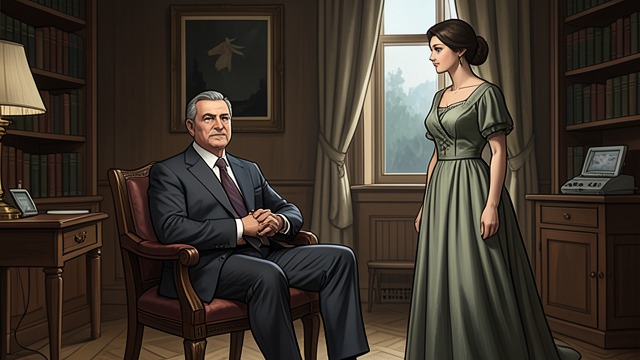
Acceptance without pressure
The family’s open door
Jonás’s drunken approval of Jacobo helps soften the conflict between Jacobo and León. His approval is imperfectly expressed, but it makes clear that the family can include a partner without requiring an immediate domestic commitment.
A father among changing children
Jonás’s new life at home includes adult children with complicated relationships and younger relatives who need care. He is no longer the returning sailor who can leave after a few months; he must participate in the ongoing consequences.
The scene shows him becoming part of a household that has developed its own habits in his absence. His place is not reclaimed by command, but rebuilt through presence and affection.
Ángela’s Death and Jonás’s Loss
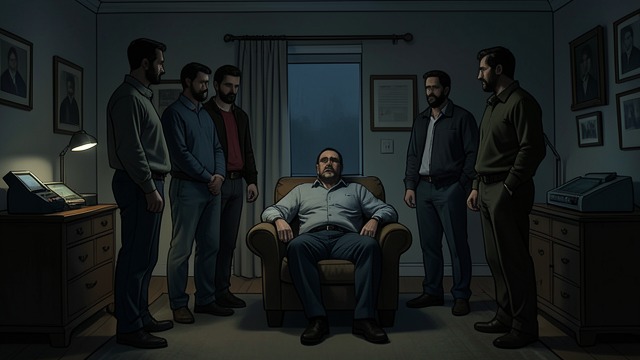
The home without its center
A family gathered
Jonás is devastated after Ángela dies, and Bea sees him as depleted and unfamiliar. Their daughters, grandchildren, and neighbors gather around him, but no one can substitute for the person who had anchored his life.
The food that arrives
Neighbors bring food to the house as they had for Ángela’s patients. Jonás has learned to cook, yet he is troubled by the abundance, suggesting that even a practical comfort reminds him of her absence.
Retirement had only recently brought the couple together full-time. Their final shared months make the loss especially immediate, and Jonás must discover how to live in the home they built without her.
A Habit Kept in Her Honor
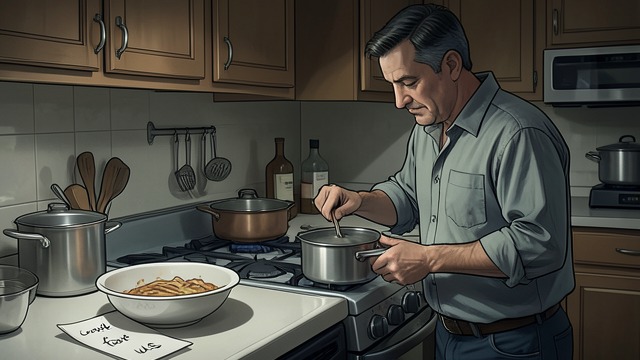
Cooking after Ángela
Her final instruction
Ángela’s note tells Jonás that she is glad he learned to cook because patients will no longer bring food after she stops seeing them. She even suggests he measure his grief by remembering the months they used to spend together.
Humor beside sorrow
Jonás admits that Ángela rarely enjoyed his meals, while the family remembers that his food has improved. Their laughter does not make the loss lighter, but it restores a small shared rhythm.
The note gives Jonás a practical task and a gentle measure of time. Cooking remains imperfect, but it becomes a way to keep caring for the family Ángela loved.
When Jonás announces his early retirement
The first weeks after Jonás’s return
After León and Jacobo quarrel over moving in
On the day Ángela dies
During the family reading of the red notebook
